Featured
Little Known Facts About Mandatory Paperwork When Pursuin...
Exploring Managing Money During a Long Illness: Working w...

ROI to Invest in Professional Bankruptcy Guidance for Dum...
A Biased View of Initial Assessment with a Counselor
Table of Contents
That liberates cash in the short-term, and you might have 3 to 4 years to conserve towards the negotiation quantity. Really unsafe to credit rating, primarily due to missed out on repayments and a negative "settled" mark that could remain on your credit rating record for up to seven yearsMay be just choice if various other alternatives (financial obligation combination, equilibrium transfer credit history cards, financial debt forgiveness) aren't possibleTypically requires a charge to the third event, which might counter some or every one of the savings from debt settlementMay assist you avoid personal bankruptcy if you have actually missed several paymentsNot all lenders collaborate with financial obligation negotiation firms Financial debt forgiveness may be ideal for you if you are experiencing a financial difficulty that makes it nearly impossible to pay down your financial obligation equilibriums.
With a DMP, you make one month-to-month repayment to the credit rating counseling firm. Those funds are then distributed to creditors of your unprotected debts, such as credit score cards and installment finances. The company deals with your creditors to minimize rates of interest or waive costs, but some creditors may decline such concessions.
A financial debt consolidation funding combines your qualified debts into one new funding. It can help you pay down financial obligation if you have the ability to safeguard a lending price that's less than the typical rate of the accounts you're consolidating. You have to avoid from racking up financial debt on those newly cleared accounts or your debt can grow also greater.

These cards frequently use a 0% passion initial duration of approximately 21 months. That offers you lots of time to remove or substantially decrease your balance while making interest-free payments. For some individuals dealing with impossible debt, insolvency may be the only method to quit collection proceedings and legally settle their financial obligations.
Some Known Details About How Financial counseling for veterans in Virginia living near large military and government employers Providers Work with Clients
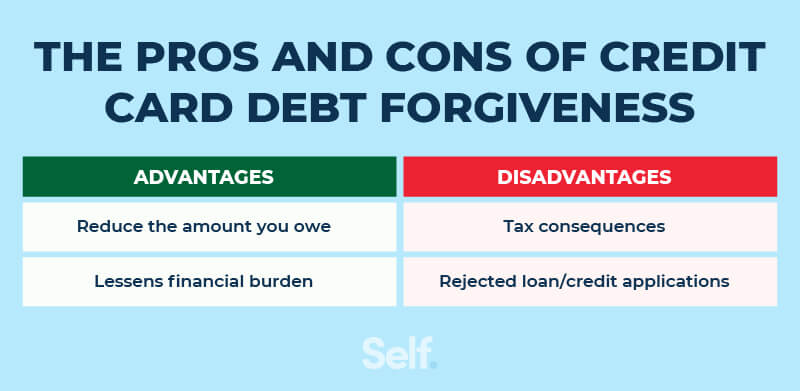
You may require it if your financial institution or a debt collector ever tries to accumulate on the financial obligation in the future. The letter can prove you do not owe what the debt collector's documents show. Yes, in many cases, the internal revenue service considers forgiven debt as gross income. When a loan provider forgives $600 or even more, they are needed to send you Kind 1099-C.
Financial debt mercy or negotiation generally hurts your credit scores. Anytime you resolve a debt for less than you owe, it might look like "worked out" on your credit scores report and influence your credit report for seven years from the day of negotiation. Your credit rating can additionally drop substantially in the months resulting in the forgiveness if you fall back on repayments.
An Unbiased View of Continued Support Such as Peer Resources
Tax obligation financial debt concession programs Tax financial obligation happens when the amount of tax obligations you owe surpasses what you have actually paid. This circumstance usually arises from underreporting revenue, not submitting returns in a timely manner, or inconsistencies found during an IRS audit. The repercussions of collecting tax obligation debt are serious and can include tax liens, which provide the IRS a legal case to your property as protection for the financial debt.
Incomes and Bank Accounts Internal revenue service can levy (seize) wages and bank accounts to please the debt. Residential property Seizure In extreme instances, the Internal revenue service can seize and market residential or commercial property to cover the financial obligation.
Social Stigma Dealing with lawful activity from the Internal revenue service can carry social stigma. Employment Opportunities A bad credit scores rating due to exhaust debt can restrict work possibilities. Federal government Benefits Tax financial debt might impact qualification for federal government advantages, such as Social Protection and Medicaid.
Facts About Actions You Can Take Once Bankruptcy Uncovered
The OIC takes into consideration numerous factors, consisting of the taxpayer's earnings, expenses, possession equity, and ability to pay. Successfully discussing an OIC can be complex, needing a thorough understanding of the internal revenue service's standards and a solid disagreement for why your deal straightens with your capacity to pay. It is very important to note that not all applications are accepted, and the procedure calls for detailed monetary disclosure.
The IRS evaluates your overall monetary scenario, including your income, expenditures, possession equity, and capacity to pay. You must additionally be existing with all declaring and repayment needs and not be in an open bankruptcy case. The internal revenue service also considers your conformity history, examining whether you have a record of prompt filing and paying tax obligations in previous years.
The Best Strategy To Use For Post-Bankruptcy Help and Group Resources
The application process for an Offer in Compromise includes numerous thorough actions. First, you need to complete and send IRS Form 656, the Deal in Concession application, and Kind 433-A (OIC), a collection info statement for people. These types call for thorough financial details, consisting of details about your earnings, financial debts, costs, and possessions.
Back taxes, which are unpaid taxes from previous years, can dramatically raise your overall internal revenue service debt otherwise addressed without delay. This financial debt can accrue passion and late payment charges, making the original amount owed a lot larger with time. Failure to pay back tax obligations can cause the internal revenue service taking enforcement activities, such as providing a tax lien or levy versus your residential property.
It is very important to deal with back taxes as quickly as possible, either by paying the complete quantity owed or by arranging a repayment plan with the IRS. By taking proactive actions, you can avoid the buildup of extra interest and fines, and stop extra aggressive collection actions by the IRS.
One common factor is the belief that the taxpayer can pay the total either as a round figure or with a payment strategy. The IRS likewise thinks about the taxpayer's earnings, expenses, asset equity, and future earning possibility. If these elements suggest that the taxpayer can pay for to pay greater than the provided quantity, the internal revenue service is likely to reject the deal.
Top Guidelines Of Medical Debt Forgiveness Options
Dealing with Internal revenue service financial debt can be complex and complicated. Tax professionals, such as CPAs, tax obligation attorneys, or enrolled agents, can supply indispensable assistance.

Table of Contents
Latest Posts

Not known Details About Immediate Tips Once Bankruptcy
Little Known Facts About Mandatory Paperwork When Pursuing When Bankruptcy Counseling Suggests Debt Management or Forgiveness Instead.

Exploring Managing Money During a Long Illness: Working with Creditors Before Bills Pile Up for Overwhelmed Americans for Beginners
More