Featured
Little Known Facts About Mandatory Paperwork When Pursuin...
Exploring Managing Money During a Long Illness: Working w...

ROI to Invest in Professional Bankruptcy Guidance for Dum...

The Greatest Guide To Preventing Additional Debt Problems After Managing Money During a Long Illness: Working with Creditors Before Bills Pile Up
Table of Contents
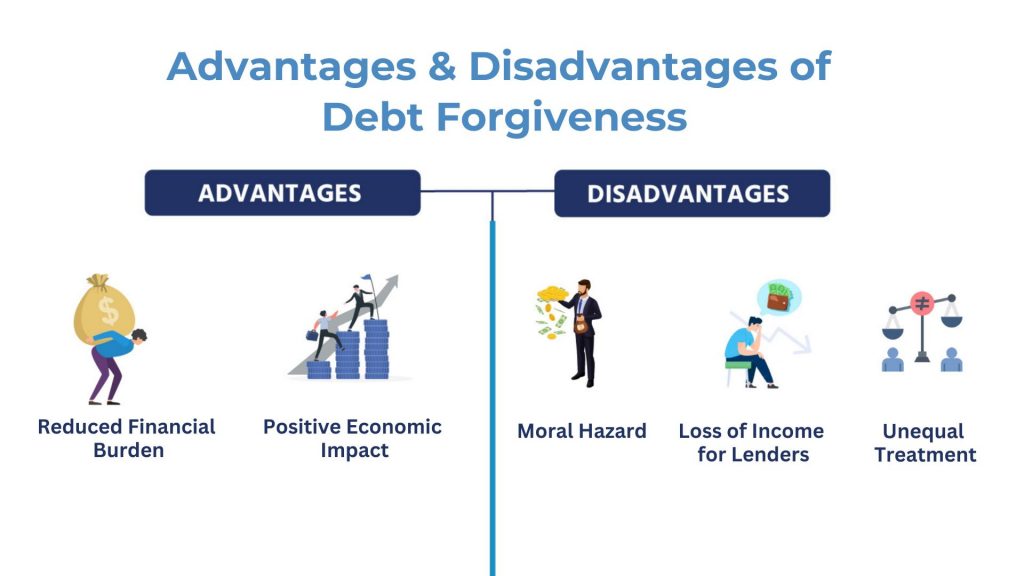
That liberates money in the short term, and you might have three to four years to conserve towards the negotiation amount. Extremely hazardous to credit score scores, mainly because of missed out on payments and a negative "settled" mark that can stay on your credit record for as much as seven yearsMay be only choice if other alternatives (debt consolidation, balance transfer credit history cards, financial debt mercy) aren't possibleTypically needs a fee to the 3rd party, which can counter some or all of the savings from debt settlementMay help you prevent personal bankruptcy if you have actually missed a number of paymentsNot all creditors deal with financial obligation settlement companies Debt forgiveness might be right for you if you are experiencing a monetary difficulty that makes it virtually difficult to pay down your debt equilibriums.
With a DMP, you make one regular monthly payment to the credit report counseling agency. Those funds are then distributed to creditors of your unsecured financial obligations, such as bank card and installment fundings. The firm deals with your creditors to lower rates of interest or waive costs, yet some lenders might refuse such giving ins.
It can aid you pay down financial obligation if you're able to secure a finance price that's lower than the typical price of the accounts you're settling. You have to abstain from racking up financial obligation on those newly cleared accounts or your financial debt might expand even greater.
That gives you plenty of time to remove or substantially lower your equilibrium while making interest-free settlements.
Top Guidelines Of Local Initiatives for Financial Assistance
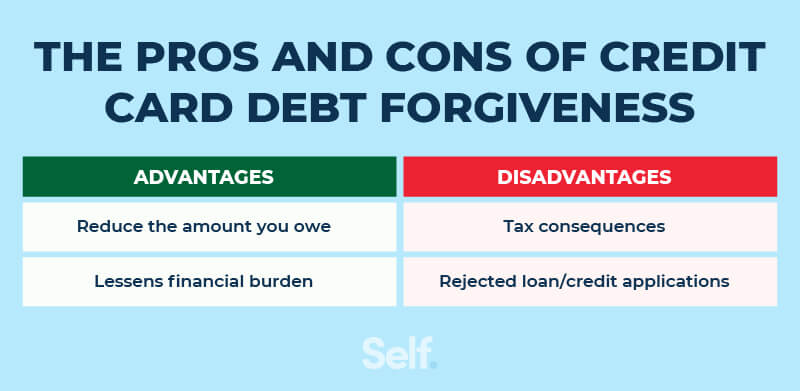
You might require it if your creditor or a debt collector ever attempts to collect on the debt in the future. The letter might verify you do not owe what the collection agency's records show. Yes, in many instances, the IRS takes into consideration forgiven debt as taxable revenue. When a loan provider forgives $600 or more, they are called for to send you Kind 1099-C.
Financial debt forgiveness or negotiation usually hurts your credit history. Anytime you settle a financial debt for much less than you owe, it may show up as "resolved" on your credit score record and influence your credit history for seven years from the day of settlement. Your debt can additionally drop significantly in the months bring about the mercy if you fall behind on settlements.
Some Ideas on Creating Your Custom Managing Money During a Long Illness: Working with Creditors Before Bills Pile Up Plan You Need To Know
Tax obligation financial debt concession programs Tax obligation financial debt takes place when the quantity of tax obligations you owe exceeds what you have actually paid. This situation commonly results from underreporting revenue, not submitting returns on time, or inconsistencies located throughout an IRS audit. The effects of accumulating tax obligation financial obligation are serious and can include tax liens, which give the IRS a lawful claim to your home as safety for the financial obligation.
Incomes and Bank Accounts Internal revenue service can impose (take) salaries and bank accounts to satisfy the financial debt. Residential or commercial property Seizure In severe situations, the Internal revenue service can take and offer residential or commercial property to cover the financial debt.
Social Preconception Facing lawful action from the Internal revenue service can lug social stigma. Employment Opportunities An inadequate credit history score due to tire financial obligation can restrict work possibilities. Federal government Advantages Tax obligation financial obligation may influence eligibility for government benefits, such as Social Safety And Security and Medicaid.
The Main Principles Of Post-Bankruptcy Programs and Peer Resources
The OIC thinks about a number of variables, including the taxpayer's revenue, expenses, property equity, and capacity to pay. Efficiently working out an OIC can be complex, needing an extensive understanding of the internal revenue service's standards and a solid argument for why your offer aligns with your ability to pay. It is necessary to keep in mind that not all applications are approved, and the process calls for in-depth financial disclosure.
The IRS evaluates your overall monetary circumstance, including your income, expenses, asset equity, and capability to pay. You have to additionally be existing with all filing and payment requirements and not remain in an open personal bankruptcy case. The IRS additionally considers your conformity history, examining whether you have a document of timely filing and paying taxes in previous years.
All about How to Never Return to New Debt Traps After Your Fresh Start
The application procedure for a Deal in Compromise involves a number of thorough steps. Initially, you should complete and send internal revenue service Type 656, the Deal in Compromise application, and Form 433-A (OIC), a collection information declaration for people. These types need extensive financial details, consisting of information regarding your revenue, debts, expenses, and properties.
Back taxes, which are unpaid taxes from previous years, can substantially increase your overall internal revenue service financial obligation otherwise resolved promptly. This financial debt can accumulate rate of interest and late settlement penalties, making the initial amount owed much larger in time. Failure to repay taxes can lead to the internal revenue service taking enforcement actions, such as providing a tax obligation lien or levy against your residential property.
It is essential to deal with back taxes asap, either by paying the total owed or by organizing a layaway plan with the internal revenue service. By taking aggressive steps, you can avoid the build-up of added passion and penalties, and protect against much more aggressive collection actions by the internal revenue service.
One typical factor is the idea that the taxpayer can pay the total either as a round figure or through a layaway plan. The internal revenue service additionally thinks about the taxpayer's earnings, expenses, asset equity, and future earning possibility. If these factors show that the taxpayer can manage to pay even more than the used amount, the internal revenue service is likely to decline the offer.
The smart Trick of Required Documentation When Pursuing Bankruptcy Counseling That Nobody is Talking About
It is critical to give precise and total information in your application and to seek advice from with a tax professional to improve the possibilities of acceptance. Handling internal revenue service financial debt can be complicated and complicated. Tax experts, such as Certified public accountants, tax lawyers, or registered agents, can offer very useful assistance. They have the know-how to browse the details of tax obligation regulation and IRS treatments.

Table of Contents
Latest Posts

Not known Details About Immediate Tips Once Bankruptcy
Little Known Facts About Mandatory Paperwork When Pursuing When Bankruptcy Counseling Suggests Debt Management or Forgiveness Instead.

Exploring Managing Money During a Long Illness: Working with Creditors Before Bills Pile Up for Overwhelmed Americans for Beginners
More